


ASP
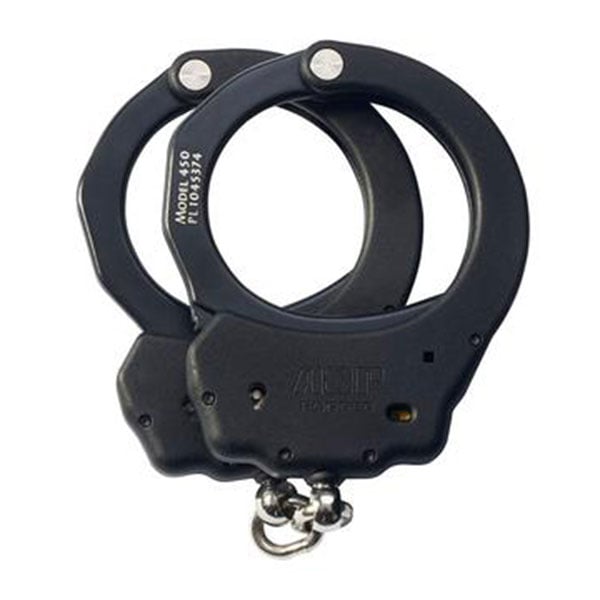
Ultra Cuffs, Chain (Aluminum Bow) Black - 1 Pawl (Yellow-Tactical)
Ultra Cuffs, Chain (Aluminum Bow) Black - 1 Pawl (Yellow-Tactical)
SKU:29620
Out of stock
Couldn't load pickup availability

Ultra Cuffs, Chain (Aluminum Bow) Black - 1 Pawl (Yellow-Tactical)
Forged Aluminum Restraints Built for Professional Use
The ASP Ultra Cuffs represent a breakthrough in restraint technology, combining forged 7075 T6 aluminum construction with field-tested design elements. These chain handcuffs deliver the strength officers need while reducing carry weight compared to traditional steel restraints.
Key Features
- Forged Aluminum Frame: 7075 T6 ordnance grade aluminum provides strength while reducing weight
- Spiral Locking Pins: 4140 heat treated pins permanently join the frame components
- Dual Keyways: Keyway and double lock slot on each side of each restraint
- Single Direction Release: Both double and single locks release by turning key one direction
- Replaceable Lock Sets: Unitized lock assemblies can be swapped for maintenance
- Radiused Bows: Highly radiused contact surfaces prevent injury during application
Specifications
- Model: Chain configuration
- Frame Material: Forged 7075 T6 aluminum
- Locking Pins: 4140 heat treated steel
- Pawl Configuration: Single pawl design
- Lock Type: Replaceable unitized assemblies
- Keyway: Double-sided access
Frequently Asked Questions
What makes the aluminum construction different from steel handcuffs?
The forged 7075 T6 aluminum frame provides comparable strength to steel while significantly reducing weight. The aluminum is permanently joined with heat treated steel locking pins for durability.
How do the replaceable lock sets work?
The lock assemblies are unitized components that can be removed and replaced for maintenance or repair. This extends the service life of the restraints and allows for field maintenance.
Can these cuffs be opened from either side?
Yes, each restraint has a keyway and double lock slot on both sides, allowing access from either direction during application or removal.
What is the advantage of single direction key operation?
Both the double lock and single lock release by turning the key in one direction, simplifying operation under stress and reducing training requirements.
